
Quran Classes for Adults: It’s Never Too Late to Start
Whether you’re starting completely from zero, returning after years away, or finally fixing habits you’ve had since childhood, adult Quran learning has its own real challenges, and its own real advantages. This page covers exactly what those are, the specific fears almost every adult student has before their first class, and how our live, one-on-one classes are built around a genuinely busy, adult life.

وَلَقَدْ يَسَّرْنَا الْقُرْآنَ لِلذِّكْرِ فَهَلْ مِن مُّدَّكِرٍ
“And We have certainly made the Qur’an easy for remembrance, so is there any who will remember?”
Surah Al-Qamar, 54:17
Start from zerono Arabic assumed
20 to 40 minutesshort, focused classes
Mornings to weekendsaround work and family
Seven-day free trialno charges at all
Is It Really Too Late to Start Learning Quran as an Adult?
No. Adults regularly start from complete zero at every age and progress well, and in some real ways adults have an advantage children don’t: genuine intention, patience, and an appreciation for what they’re learning that turns study into something deeply meaningful rather than a task to get through.
Age is not the barrier most adults assume it is; inconsistency is.
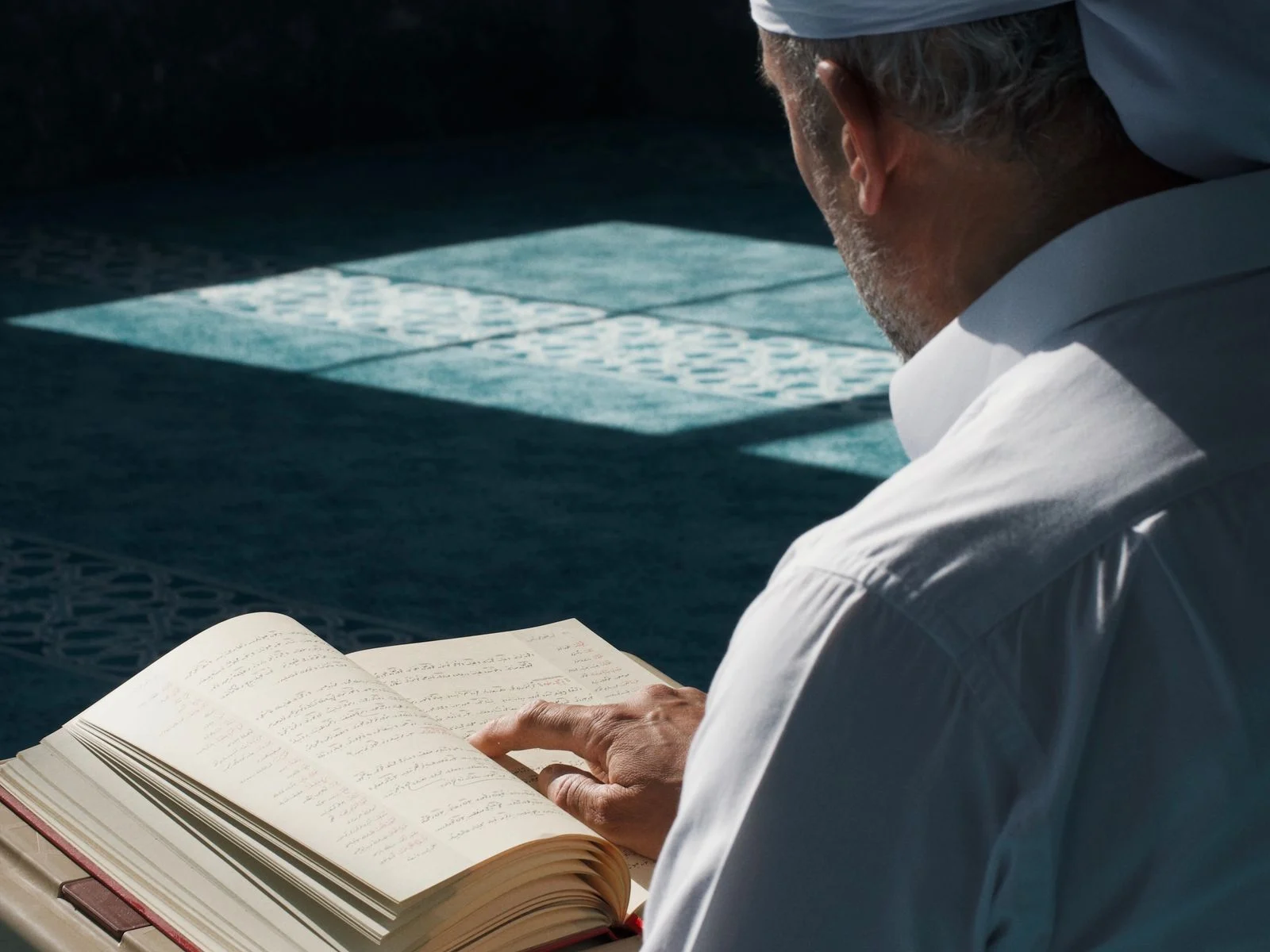
What Are Adults Actually Afraid of Before Their First Class?
Almost every adult student arrives with some version of the same handful of worries, and naming them plainly tends to help more than pretending they don’t exist.
“I’m too old to start.”
This is the single most common fear, and it’s simply not supported by how adult learning actually goes. Maturity and self-motivation, things adults have in abundance, matter more for consistent progress than age.
“My pronunciation is weak, and I’ll feel embarrassed.”
Weak pronunciation is exactly what a first lesson is for. Your teacher expects to hear mistakes, that’s literally the job, and correcting them gently is normal, not a judgment on you.
“I don’t know Arabic at all.”
Neither do most adult beginners on day one. Courses like Noorani Qaida exist specifically to start from zero Arabic, with no assumption you know anything already.
“My schedule is unpredictable, and I don’t have hours to spare.”
You don’t need hours. Consistency in short sessions, twenty to thirty minutes, matters far more than occasional long ones, and your schedule is built around your real week, not an idealized one.
“I stopped learning years ago and don’t know how to start again.”
This is genuinely common, and it’s not a setback that disqualifies you. Your teacher assesses wherever you currently are and builds forward from there, not from where you think you “should” be.
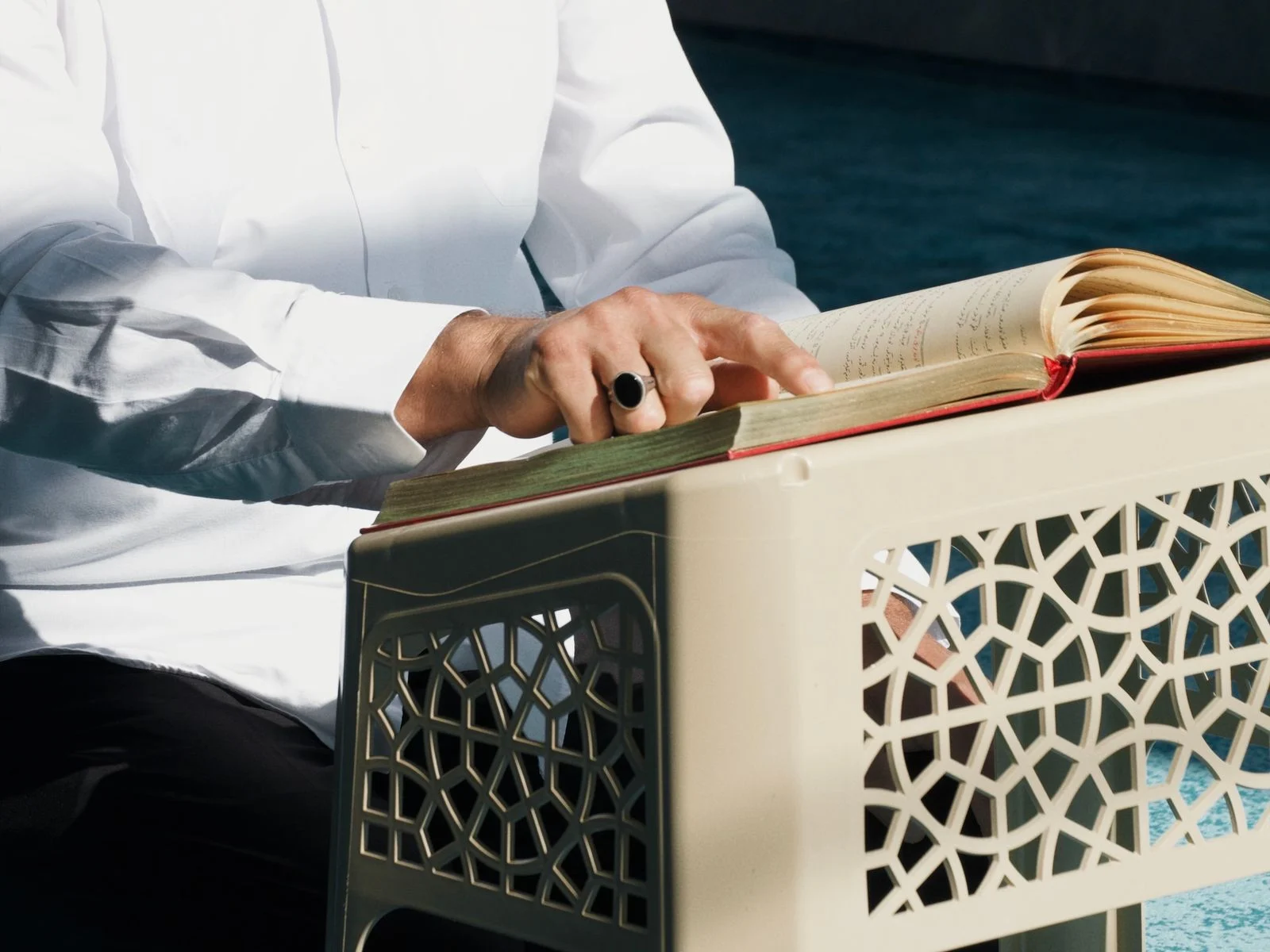
Why Do So Many Adults Struggle With Recitation Confidence?
For many adults, the real obstacle isn’t intelligence or effort, it’s confidence built on old, incomplete foundations.
If Quran reading wasn’t taught properly in childhood, small gaps quietly compound over the years into a general sense of “I’m just not good at this,” which usually isn’t true; it’s a foundations problem, not an ability problem. Identifying and rebuilding those specific gaps, rather than pushing forward around them, is usually what actually restores confidence.
How Do Classes Fit Around a Real Work and Family Schedule?
Classes are typically short, twenty to forty minutes, scheduled across early mornings, evenings, and weekends, so a demanding job or family responsibilities don’t have to compete with learning for the same block of time.
Many students find success setting one fixed, small slot, a specific time after dinner or before the household wakes up, and treating it as a genuinely protected appointment rather than something squeezed in whenever there’s a spare moment. Missed sessions because life happened are normal and expected, not a reason to feel like you’ve failed.
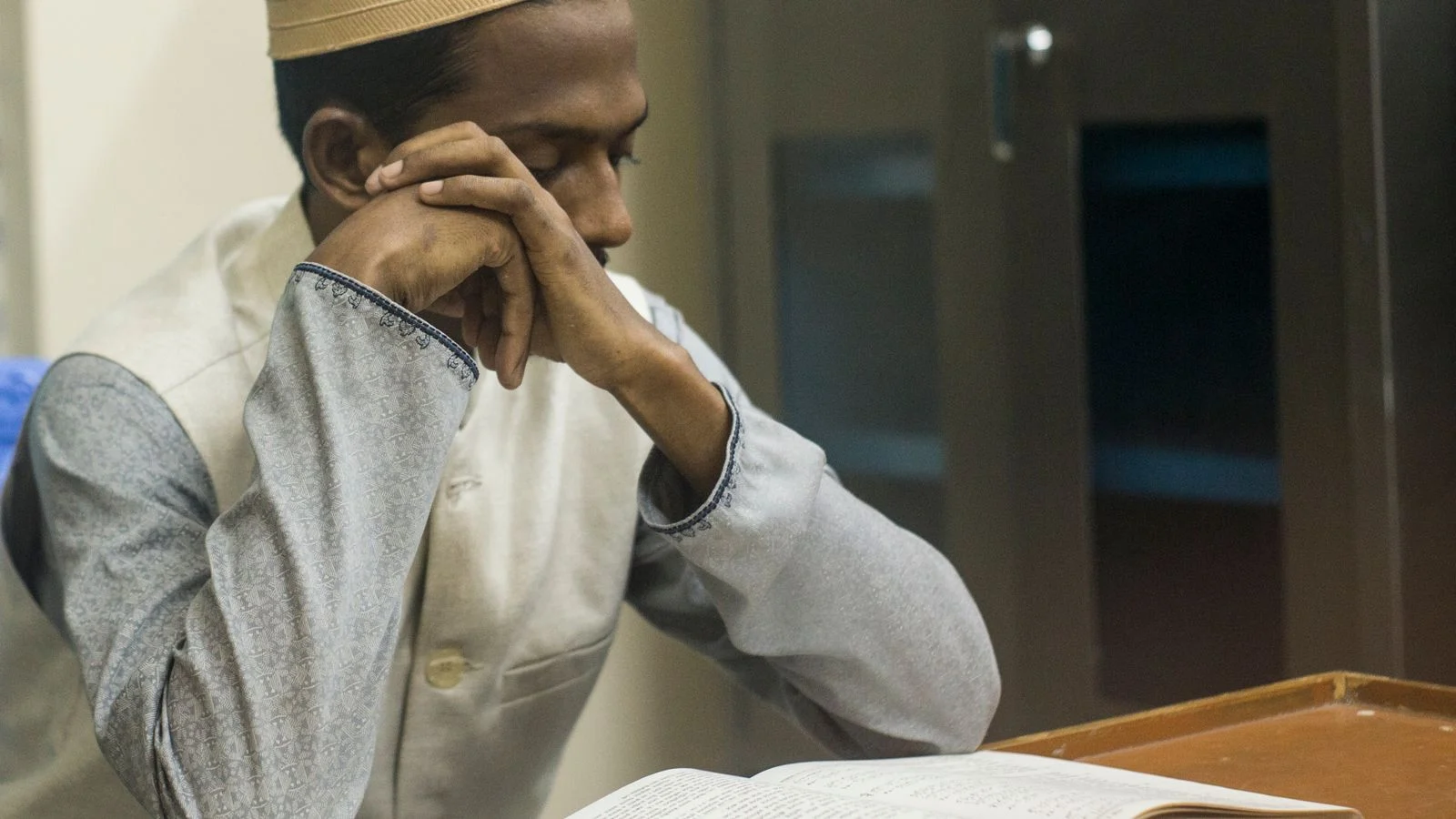
Should I Choose Private One-on-One Classes or a Group?
Most adults progress faster and more comfortably with private one-on-one classes, since they allow you to ask questions freely, repeat a concept as many times as you actually need, and move at a pace that fits you rather than an average of the whole group.
Group classes can work for some learners, but they trade personalized correction and pacing for a lower price, a trade-off that matters most in exactly the areas, pronunciation and Tajweed, where individual correction makes the biggest difference.
What Courses Are Right for Adult Beginners?
Most adult beginners start with Noorani Qaida to build Arabic letter recognition and pronunciation, then move into Quran Reading and Tajweed once that foundation is solid, with Tafseer, Quranic Arabic, Hifz, and Ijazah available as longer-term goals for those who want to go further.
Adult Quran Classes Online: How Do They Work?
Classes are live, one-on-one video sessions with a certified teacher, with a full seven-day free trial and no charges at all before you decide to continue.
1Book your free trial and share your current level, honestly, even if that’s zero.
2Meet your teacher, who assesses your real starting point rather than assuming one.
3Take up to seven days to see how the pace and teaching style feel.
4If it isn’t quite right, we’ll match you with a new teacher for another seven-day trial, still free.
7 daysNo card required
Free trial with a certified teacher, at a time that fits your week.
No charges at booking or during either trial period.
Frequently Asked Questions About Adult Quran Classes
Begin Your Journey Today
Whatever your past experience, or lack of it, learning Quran as an adult starts with a single free trial class, at your pace, around your real life.
7 days
Free, no card required
Start where you really are, in short classes that fit around work and family.
