
Hifz Online: Memorize the Quran With a Certified Teacher
Hifz is the structured memorization of the Quran, and it’s the single biggest commitment in Quranic education, more a years-long relationship with the text than a course you finish. This page covers what Hifz actually involves, realistic timelines for kids and adults, the real reasons students forget what they’ve memorized, and how our live, one-on-one classes are structured to protect against exactly that.

وَلَقَدْ يَسَّرْنَا الْقُرْآنَ لِلذِّكْرِ فَهَلْ مِن مُّدَّكِرٍ
“And We have certainly made the Qur’an easy for remembrance, so is there any who will remember?”
Surah Al-Qamar, 54:17
30 Juz, 604 pagesabout 6,236 verses
Sabaq, Sabqi, Manzilnew work plus two stages of revision
Certified teachersHafiz and Hafiza, one-on-one
Seven-day free trialno charges at all
What Is Hifz?
Hifz is the memorization of the entire Quran, 604 pages and roughly 6,236 verses across 30 Juz, to the point of being able to recite it from memory with correct Tajweed.
A student who completes this is called a Hafiz (male) or Hafiza (female). Hifz builds directly on Tajweed, since memorizing incorrect pronunciation simply locks mistakes in permanently, which is why we never move a student into Hifz before their Tajweed is genuinely solid.
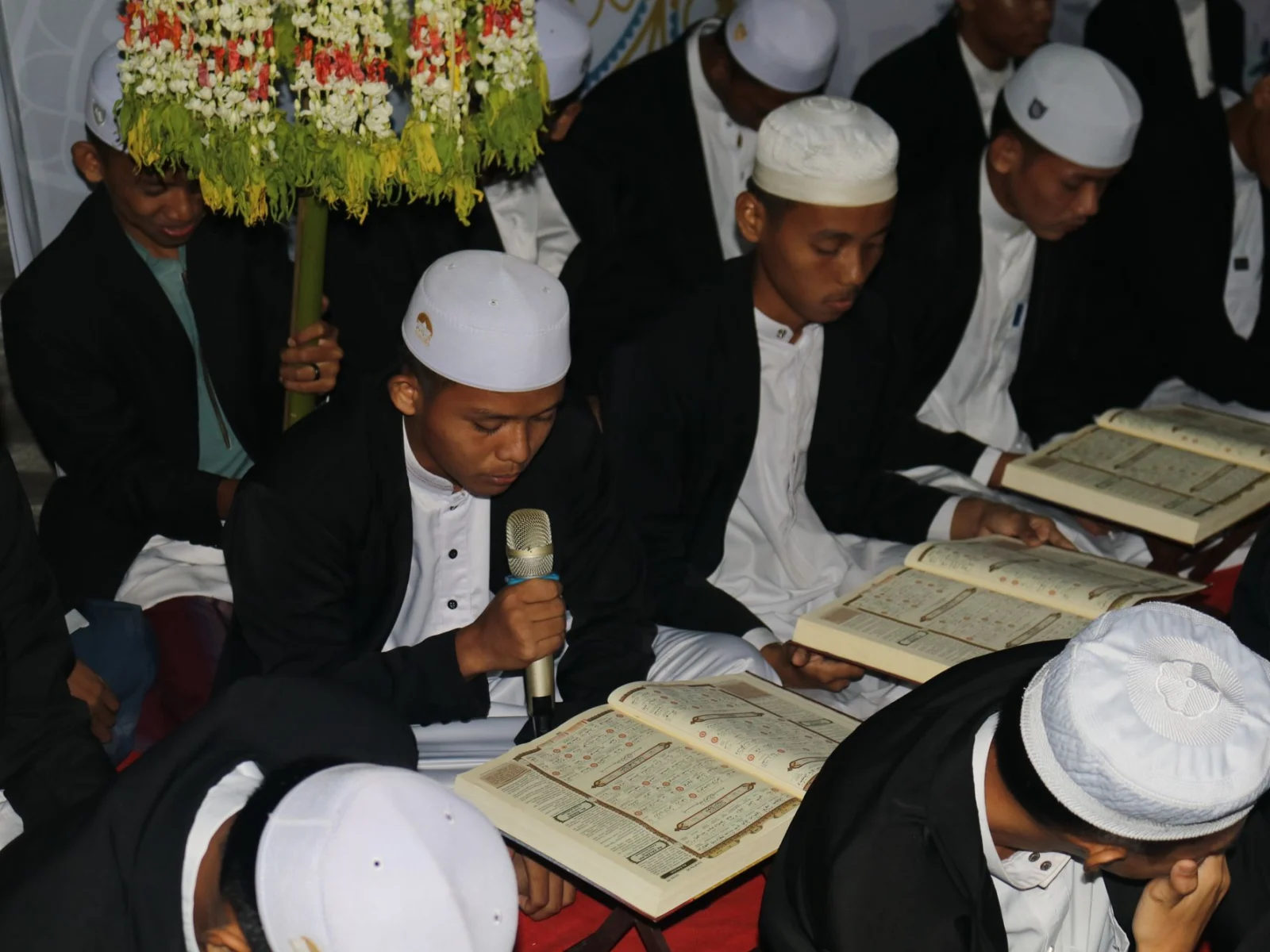
How Does Hifz Actually Work? What Is the Sabaq, Sabqi, Manzil Method?
Traditional Hifz programs, used in Quran academies from Pakistan to Indonesia to Turkey, structure daily memorization around three components: new memorization, recent revision, and old revision, each protecting a different stage of what’s been learned.
Step 1
Sabaq: New Memorization
Sabaq is the new portion assigned for that day, usually memorized during peak mental hours. The student listens to the correct recitation, repeats it multiple times, and then recites it back from memory before moving forward.
Step 2
Sabqi: Recent Revision
Sabqi is the review of material memorized over the past days or weeks, the stage that moves memorization from fragile short-term recall into genuine retention. This is the stage most self-taught memorizers skip, and it’s usually why they forget.
Step 3
Manzil: Old Revision
Manzil is the ongoing review of everything memorized more than a few weeks ago, maintained on a rotating cycle for as long as the Hifz journey continues, and really, for life afterward. Without Manzil, even a completed Hifz fades.
How Long Does Hifz Take?
Realistic timelines vary widely depending on age, daily time committed, and how much of that time goes to revision rather than just new memorization; children in full-time programs often complete Hifz in 2 to 4 years, while adults studying part-time typically take 4 to 7 years or longer.
Children
2–4 years
Teenagers
2–5 years
Adults
4–7 years or longer
Intensive
Significantly faster
For intensive programs, revision still takes as long as memorization itself.
Be cautious of any program promising Hifz in a few months. Faster memorization is genuinely possible, but the memorization is only half the work; without an equally serious revision system built in from day one, fast-memorized Quran is also fast-forgotten Quran. We would rather give you an honest, sustainable timeline than a number that sounds impressive and doesn’t hold up two years later.
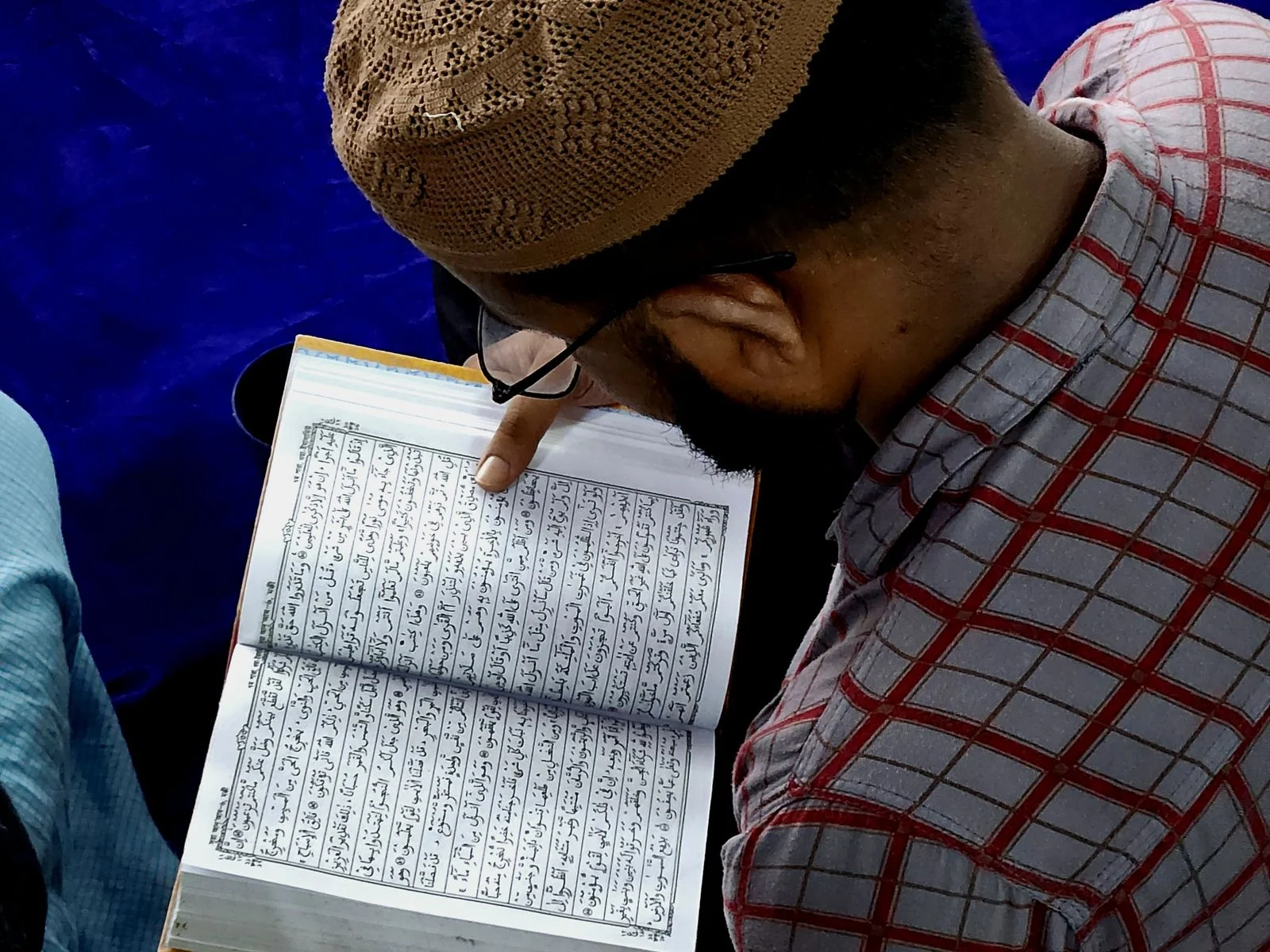
Is It Too Late for an Adult to Start Hifz?
No. Adults successfully begin Hifz at every age, including well into their 40s, 50s, and beyond, and the brain continues forming new memory connections throughout life.
Adults often need more repetition per page than a child would, but they bring real advantages too: self-motivation, an appreciation for what they’re doing, and often a genuine connection to the meaning of what they’re memorizing, which itself aids retention.
What Makes Students Forget What They’ve Memorized, and How Do We Prevent It?
Skipping or Rushing Revision
The single most common reason memorized Quran fades is treating memorization like memorizing school notes, learning a page and moving on without returning to it. This is fine for an exam; it does not work for Hifz.
Our teachers build Sabqi and Manzil into every student’s weekly schedule from day one, not as an afterthought once forgetting has already started.
Memorizing Incorrect Tajweed
A mistake memorized alongside the correct text becomes extremely difficult to unlearn later, since your memory locks in the sound, not just the meaning.
That’s why we require solid Tajweed before starting Hifz, and your teacher corrects pronunciation the moment it happens rather than after it’s already been repeated into memory.
Long Gaps Without Practice
Life interruptions, illness, travel, busy seasons, are normal, but a long gap without any revision at all is what causes real regression, sometimes losing months of work in weeks.
Your teacher adjusts your revision plan around real interruptions rather than expecting perfect, uninterrupted consistency.
Losing Motivation Partway Through
Hifz is long enough that motivation naturally dips, and reaching a genuinely difficult Juz partway through is a common point where students stall or quit.
Regular one-on-one sessions with the same teacher provide accountability and encouragement precisely at the point self-study tends to collapse.
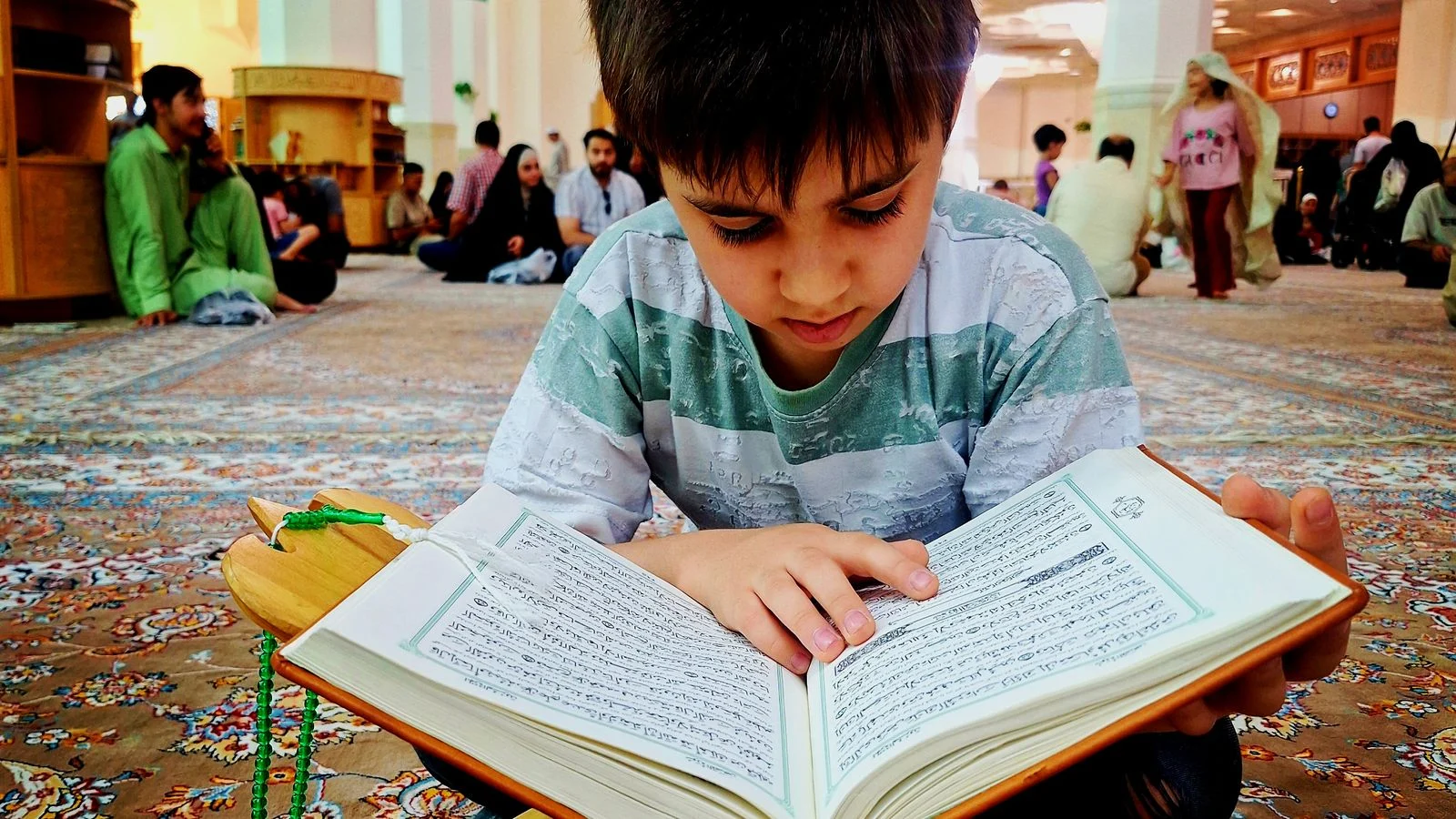
Hifz for Kids: What Does the Program Look Like?
Children generally have strong raw memory capacity and fewer competing responsibilities, which is why many families begin Hifz young, typically in a structured program completed over 2 to 4 years.
The real challenges for kids are less about memory and more about supervision, focus, and connecting with meaning at a young age. Our teachers keep sessions age-appropriate, use consistent daily routines, and coordinate with parents on home revision, since a child’s progress depends heavily on practice between lessons, not just during them.
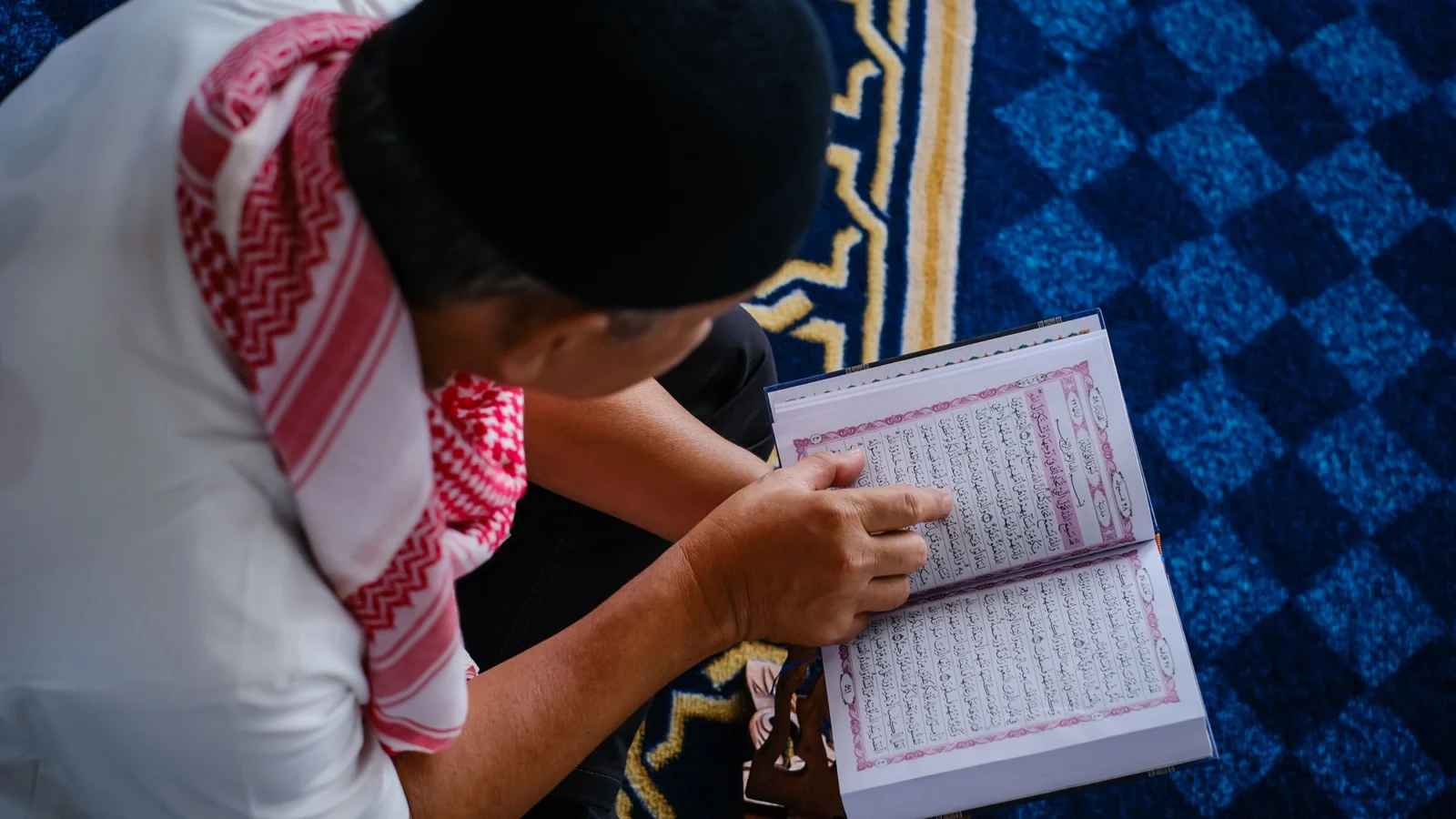
Hifz for Adults: What’s Different?
Adults typically progress at a slower page-per-day pace than children but bring stronger self-discipline and a deeper appreciation for the material.
A realistic starting pace for a working adult is 2 to 5 lines a day, with a full page taking anywhere from 3 to 7 days depending on available time and existing Tajweed strength. We build your plan around your actual schedule and existing commitments, not a generic timeline that assumes unlimited free time.
Hifz Online: How Do Classes Work?
Classes are live, one-on-one sessions with a certified Hafiz or Hafiza teacher, structured around your personal Sabaq, Sabqi, and Manzil schedule, with a full seven-day free trial and no charges at all before you decide to continue.
1Book your free trial and share your current memorization level, even if that’s zero.
2Your teacher assesses your Tajweed and reading fluency, since this determines whether you’re ready to begin Hifz immediately or need a short Tajweed refresher first.
3Receive a personalized daily and weekly plan covering new memorization and both stages of revision.
4If seven days isn’t enough to know the fit is right, we’ll match you with a new teacher for another seven-day trial, still free.
7 daysNo card required
Free Hifz trial with a certified Hafiz or Hafiza teacher.
No charges at booking or during either trial period.
What Comes After Hifz?
Many Huffaz go on to pursue Ijazah, formal certification in Quran recitation with a verified chain of transmission, while others deepen their study through Tafseer to understand the meaning behind what they’ve memorized.
1
Hifz
You are here
2
Ijazah
Certification with a verified chain
3
Tafseer
The meaning behind what you memorized
Hifz itself never really “ends” in the sense of no longer needing attention; Manzil revision continues for life, which is part of why choosing a sustainable pace matters more than choosing a fast one.
Frequently Asked Questions About Hifz
Begin Your Hifz Journey Today
Whether you’re a parent starting your child’s Hifz early or an adult beginning later in life, memorizing the Quran is one of the most meaningful commitments you can make, and it starts with a single free trial class.
7 days
Free, no card required
Meet your Hafiz or Hafiza teacher and get a personal memorization and revision plan.
