
Ijazah: Formal Certification in Quran Recitation
Ijazah is the traditional certification that authorizes a student to recite, and teach, the Quran, backed by a documented chain of transmission reaching back through qualified teachers. This page covers what Ijazah actually means, how the Sanad chain works, what earning one involves, and how our teachers guide students through this process online, without cutting any corner of the traditional standard.

وَلَقَدْ يَسَّرْنَا الْقُرْآنَ لِلذِّكْرِ فَهَلْ مِن مُّدَّكِرٍ
“And We have certainly made the Qur’an easy for remembrance, so is there any who will remember?”
Surah Al-Qamar, 54:17
Documented Sanada chain you can actually trace
Recitation or Hifzthe two main types of Ijazah
Qualified teacherswho hold their own Ijazah
Seven-day free trialno charges at all
What Is Ijazah?
Ijazah literally means “permission” or “license,” and in Quranic studies it refers to formal authorization from a qualified teacher confirming that a student has mastered Quran recitation or memorization to a verified standard, and is now permitted to recite that way publicly and to teach it to others.
It is considered the traditional pinnacle of Quranic study, not because it’s the hardest technical skill to acquire, but because it carries real responsibility: once you hold an Ijazah, you become a link in the chain that keeps the Quran’s recitation accurate for the next generation.
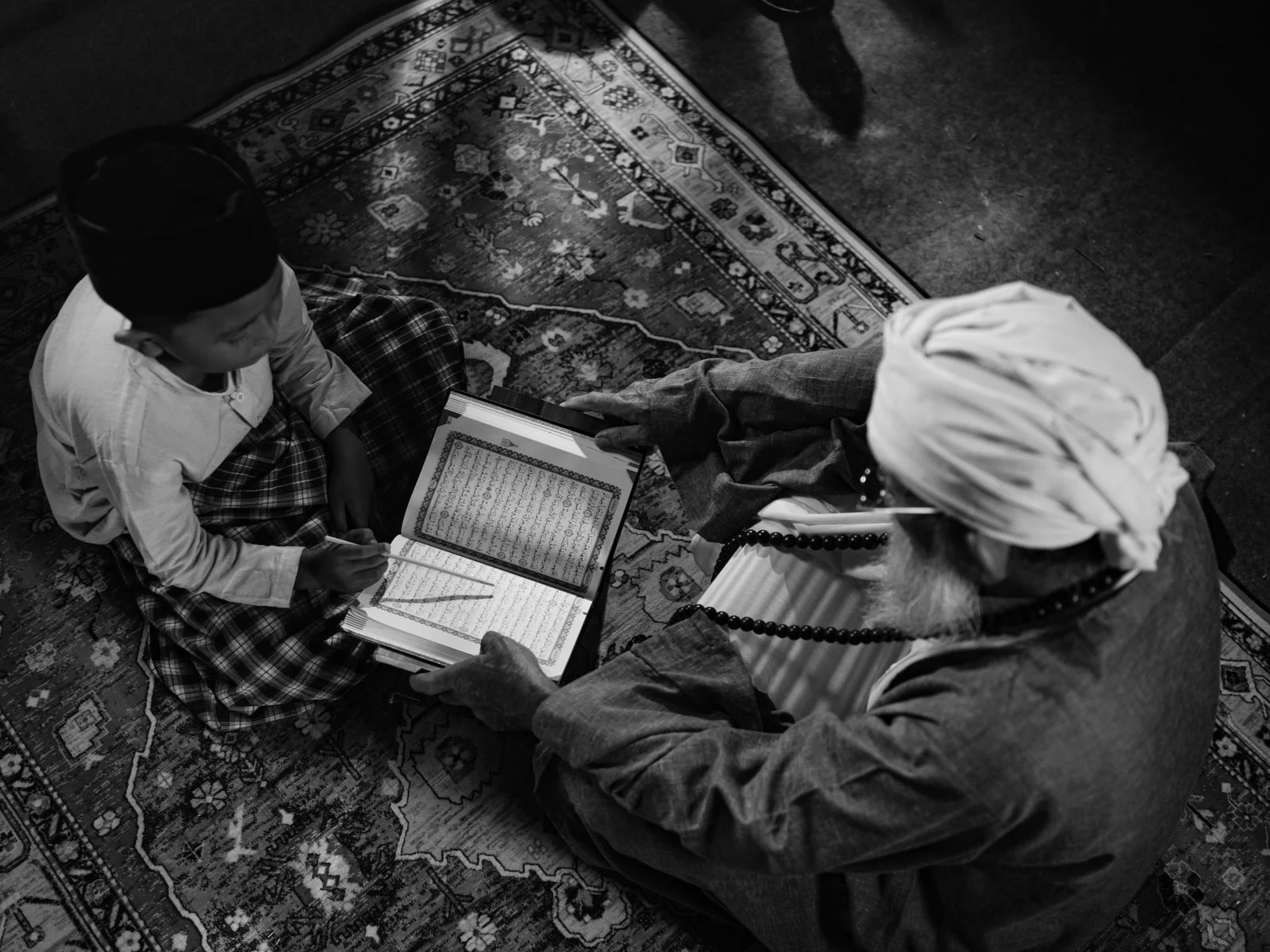
What Is a Sanad, and Why Does It Matter?
A Sanad is the unbroken chain of teachers and students connecting a reciter back through history to the Prophet Muhammad, peace be upon him, with each link in the chain having personally received and verified the recitation from the link before it.
1
The Prophet ﷺ
Source of the recitation
2
His companions
Received it directly
3
Generations of teachers
Each verified by the last
4
Your teacher
Holds a verified Sanad
5
You
The next link in the chain
This is what separates an Ijazah from an ordinary certificate. A diploma says you passed a test; a Sanad says a real, documented line of qualified teachers, one after another, confirmed your recitation matches exactly how it has always been transmitted. Every Ijazah we issue comes with your Sanad clearly documented, so the chain of transmission is something you can actually trace, not just a claim on a certificate.
What Are the Different Types of Ijazah?
There are two main categories of Ijazah: Ijazah in Recitation (Tilawah), confirming mastery of correct pronunciation and Tajweed, and Ijazah in Memorization (Hifz), confirming that a student has memorized the entire Quran and can recite it from memory without error. Advanced students may go on to pursue Ijazah in specific Qira’at, the different authenticated modes of Quranic recitation, once their foundational Ijazah is complete.
Core
Ijazah in Recitation (Tilawah)
Confirms mastery of correct pronunciation and Tajweed.
Core
Ijazah in Memorization (Hifz)
Confirms that a student has memorized the entire Quran and can recite it from memory without error.
Advanced
Ijazah in specific Qira’at
An advanced path for students whose foundational Ijazah is already complete, covering the different authenticated modes of Quranic recitation.
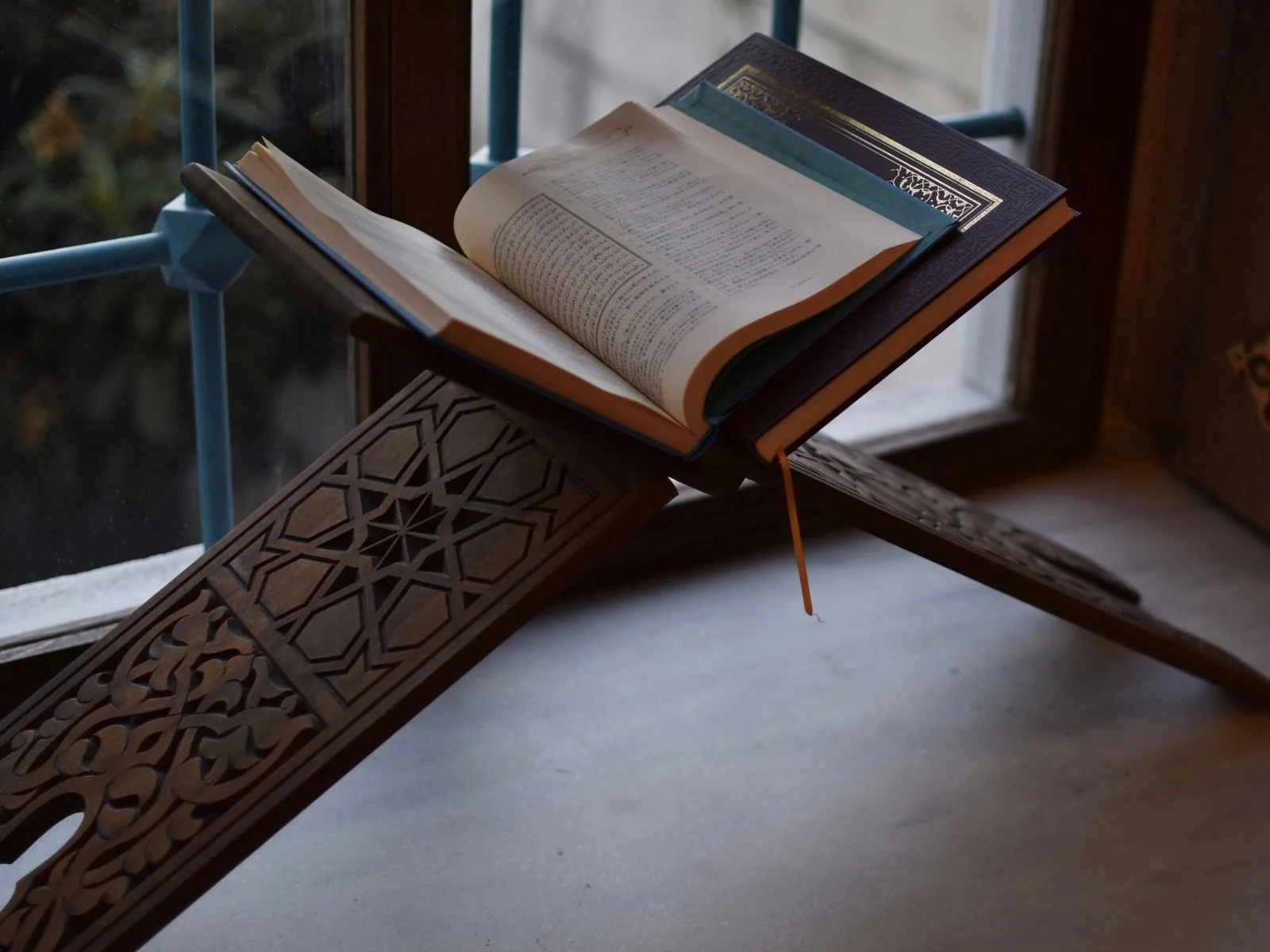
What Are Qira’at, and Do I Need to Study Them?
Qira’at are the different authenticated ways of reciting the Quran, each traced through its own verified chain of transmission; scholars recognize seven core readings, later expanded to ten, though the Hafs reading from ‘Asim is by far the most widely used across the Muslim world today.
Most students never need to go beyond their first Ijazah in the Hafs recitation, since it’s what the vast majority of printed Mushafs and the vast majority of reciters worldwide use. Studying additional Qira’at, like Warsh, is a genuinely advanced, specialized path, usually pursued by students who already hold an Ijazah in Hafs and want to go deeper into the science of Quranic transmission itself. Your teacher will only ever suggest this once your foundation is fully secure, not as a default expectation.
What Does Earning an Ijazah Actually Involve?
Earning an Ijazah involves reciting the targeted material, whether a portion or the entire Quran, directly to a qualified teacher who listens closely, corrects every mistake in real time, and only certifies once your recitation consistently meets the required standard.
Step 1: Strong Tajweed and Recitation Foundations
Before Ijazah study begins, a student needs solid, consistent Tajweed. This isn’t a formality; a chain of transmission is only meaningful if what’s being transmitted is actually correct.
Step 2: Talaqqi and Mushafahah (Direct Recitation to a Teacher)
This is the heart of the process: reciting directly to your teacher, portion by portion, with immediate correction of any Makharij, Tajweed, or Qira’at-specific error, until your recitation is consistent and correct without teacher intervention.
Step 3: Formal Certification
Once your teacher is confident your recitation genuinely meets the standard, not just on a good day but consistently, you receive your Ijazah along with your documented Sanad, connecting you to the chain of transmission behind it.
How Long Does It Take to Earn an Ijazah?
Timelines vary considerably depending on your starting point and how much of the Quran you’re seeking certification in; students already fluent in Tajweed who are certifying a shorter portion may finish in several months, while a full-Quran Ijazah, especially alongside Hifz, is typically a multi-year undertaking measured in the same terms as memorization itself.
Your existing Tajweed strength
How much material you’re certifying
How consistently you meet your teacher
There is no fixed universal timeline, and we’re deliberately cautious about programs that promise a full Ijazah on an unusually fast schedule. What actually determines your timeline is your existing Tajweed strength, how much material you’re certifying, and how consistently you can meet with your teacher, not a fixed number of weeks that applies to everyone equally.
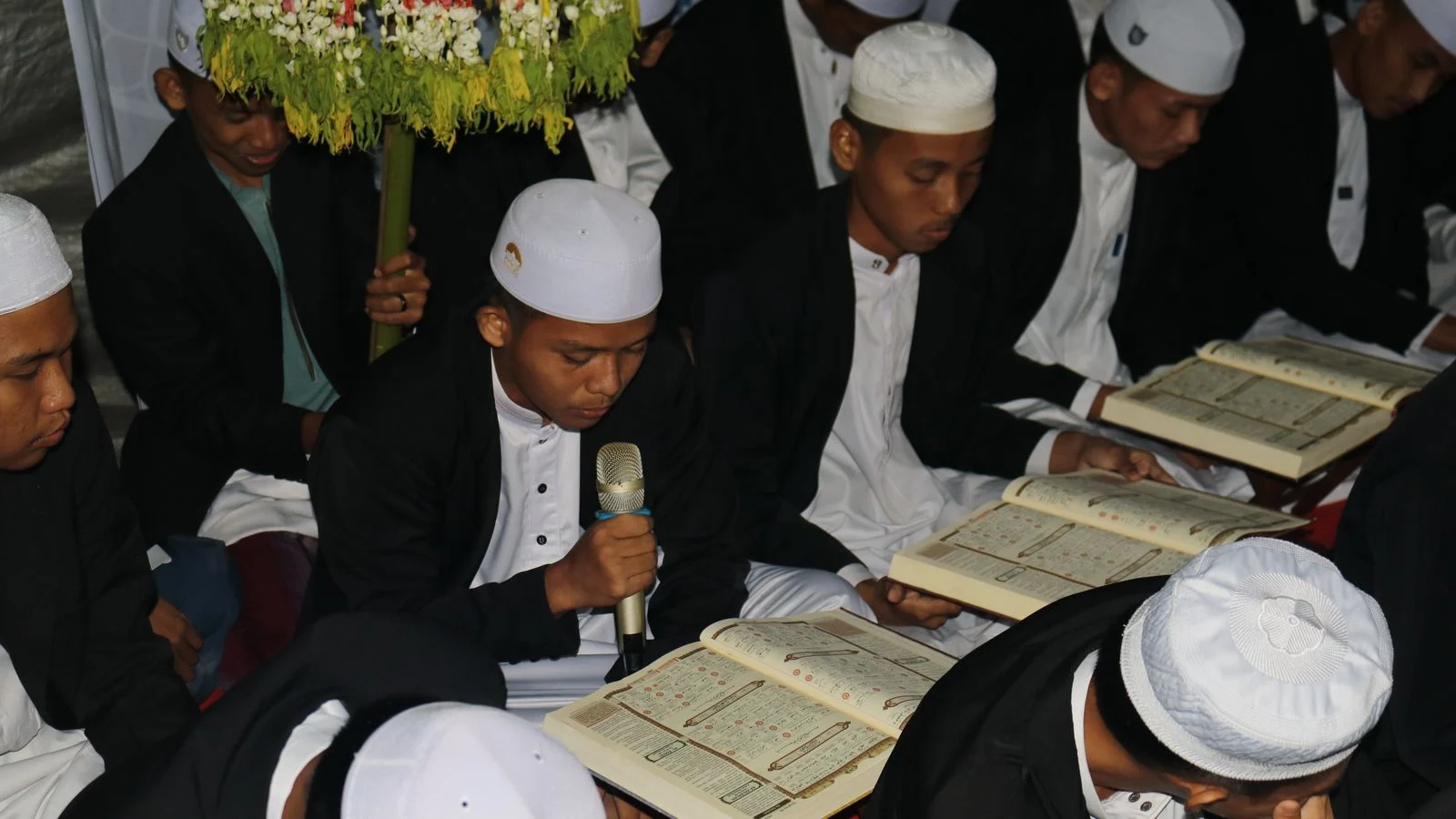
Who Can Pursue an Ijazah? Do I Need to Already Have Hifz?
You do not need to have completed Hifz to pursue an Ijazah in Recitation; the two are related but separate certifications, and many students earn a Recitation Ijazah on a shorter portion of the Quran before, or entirely separate from, any memorization goal.
An Ijazah in Hifz, naturally, does require completed memorization, since that’s specifically what it certifies. Adults, young hafiz-track students, and lifelong reciters correcting years-old habits are all realistic candidates, provided their Tajweed foundation is genuinely solid.
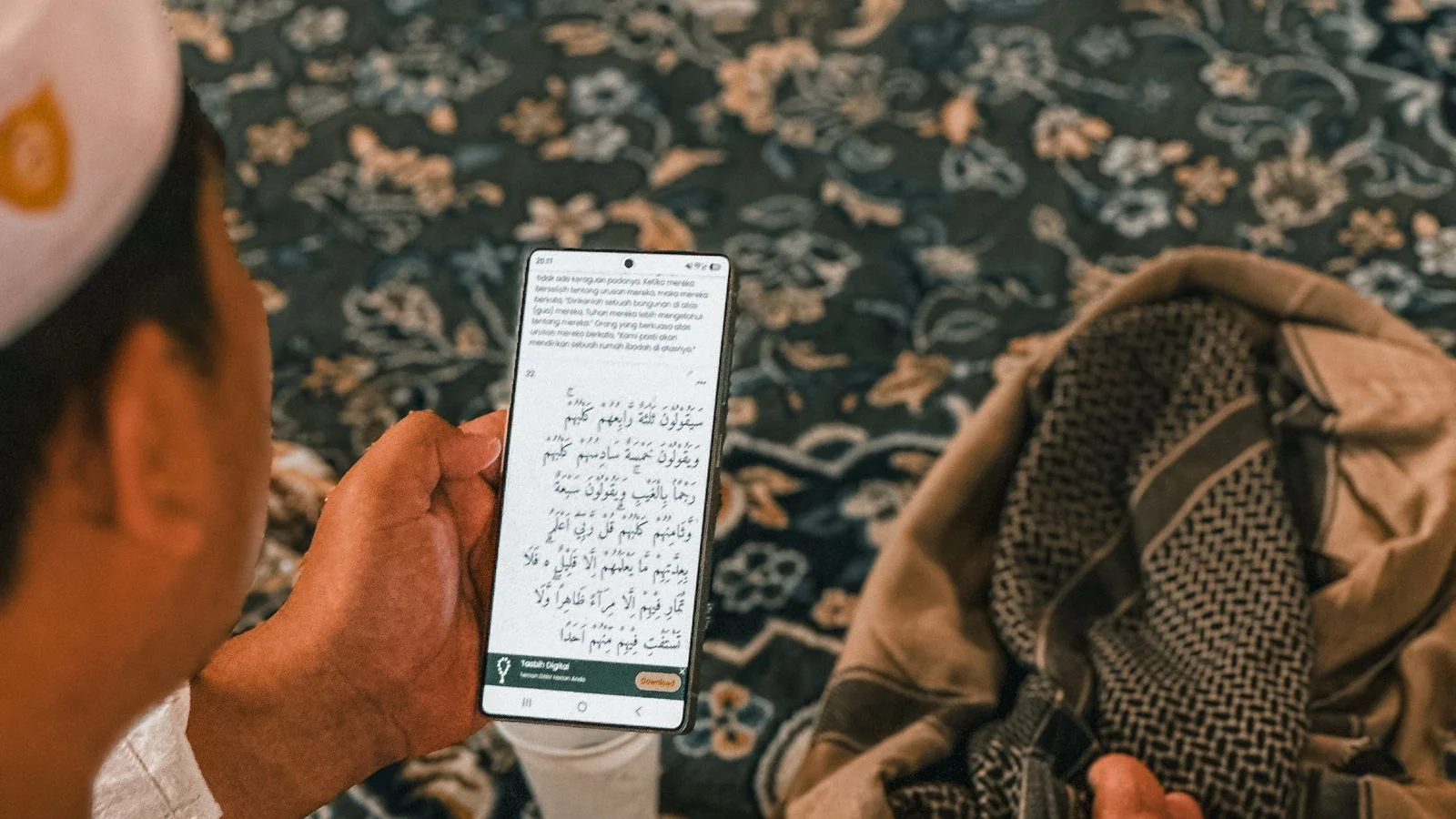
Is Ijazah Only Available in Person?
No. Live, one-on-one online sessions allow a qualified teacher to hear your recitation in real time with the same clarity as sitting in the same room, which is why online Ijazah has become widely accepted as recitation moved online.
Traditionally, Ijazah was earned by sitting directly with a scholar, and the online format preserves exactly that structure: direct, live, one-on-one recitation and correction, simply conducted over video instead of in person.
Ijazah Online: How Do Classes Work?
Classes are live, one-on-one sessions with a certified teacher who themselves holds a verified Ijazah and Sanad, structured around direct recitation and correction, with a full seven-day free trial and no charges at all before you decide to continue.
1Book your free trial and share your current Tajweed level and Ijazah goal, whether that’s a short portion or the full Quran.
2Your teacher assesses your recitation and confirms you’re ready to begin, or identifies what needs strengthening first.
3Progress through Talaqqi and Mushafahah, reciting directly to your teacher with real-time correction.
4Receive your Ijazah and documented Sanad once your recitation consistently meets the required standard.
7 daysNo card required
Free Ijazah trial with a teacher who holds a verified Sanad.
No charges at booking or during either trial period.
Frequently Asked Questions About Ijazah
Begin Your Ijazah Journey Today
Whether you’re aiming to certify a short portion or pursue the full chain of transmission, earning your Ijazah is one of the most meaningful milestones in Quranic study, and it starts with a single free trial class.
7 days
Free, no card required
Recite to a teacher with a verified Sanad and find out exactly where your recitation stands.
