
Quran Classes for New Muslims: Start Exactly Where You Are
Assalamu alaikum, and welcome. Whether you took your Shahada yesterday or a few years ago and are only now feeling ready to properly learn, this page is for you. There’s no expectation that you already know anything, and no judgment for whatever your journey looked like to get here.

وَلَقَدْ يَسَّرْنَا الْقُرْآنَ لِلذِّكْرِ فَهَلْ مِن مُّدَّكِرٍ
“And We have certainly made the Qur’an easy for remembrance, so is there any who will remember?”
Surah Al-Qamar, 54:17
No Arabic neededwe start from the first letter
No judgmentpatient teachers, at your pace
Your languageEnglish, Urdu, Hindi or Pashto
Seven-day free trialno charges at all
What Should I Actually Focus On First as a New Muslim?
Most scholars advise starting with a basic understanding of the Shahada’s meaning and the essentials of prayer (Salah), since prayer is the practice you’ll return to five times a day and the anchor of daily worship.
Learning to read the Quran doesn’t need to wait until that’s mastered; many new Muslims begin both at the same time, learning the letters and sounds needed for prayer and gradually building toward full Quran reading. There’s no strict order that fits everyone, and a good teacher will help you build a realistic sequence rather than trying to learn everything at once.
Do I Need to Know Arabic Before I Can Start Learning Quran?
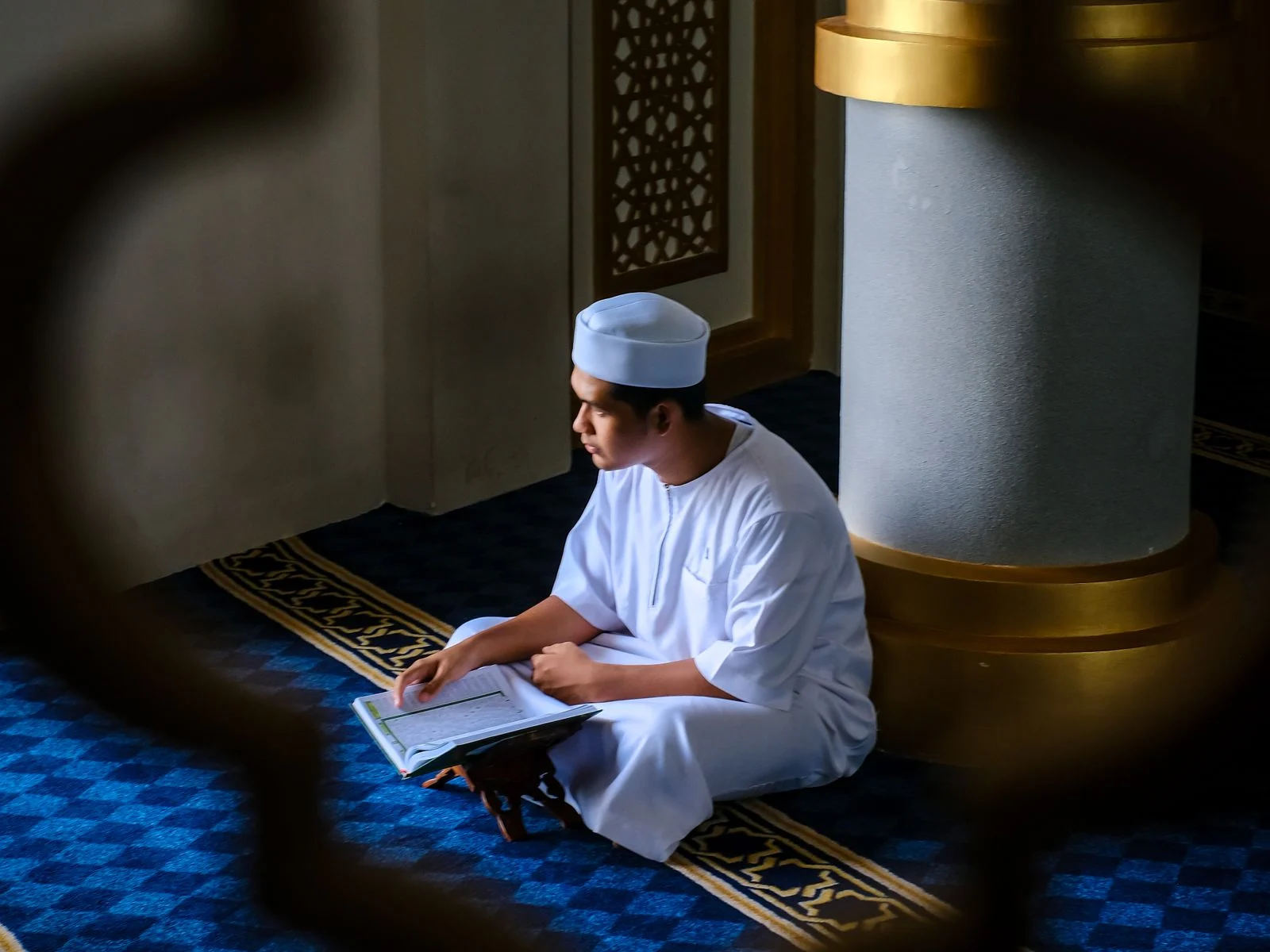
No. This is genuinely the most common concern we hear from new Muslims, and it’s not a barrier.
Our Noorani Qaida course starts from the Arabic alphabet itself, assuming zero prior knowledge, and every class is taught in plain English, or in Urdu, Hindi, or Pashto if that’s more comfortable for you. You are not behind; you are simply at the beginning, which is exactly where this course is built to meet you.
Is It Normal to Feel Overwhelmed Right Now?
Yes, completely. Many new Muslims describe feeling a mix of excitement and pressure to “catch up,” as though there’s a syllabus everyone else already finished. There isn’t.
Islam is often described as a religion built on gradual, sustainable practice rather than overnight mastery, and even the most basic, consistent effort, praying, learning a little Quran each week, matters more than trying to learn everything in your first month.
How Do I Tell My Family or Friends?
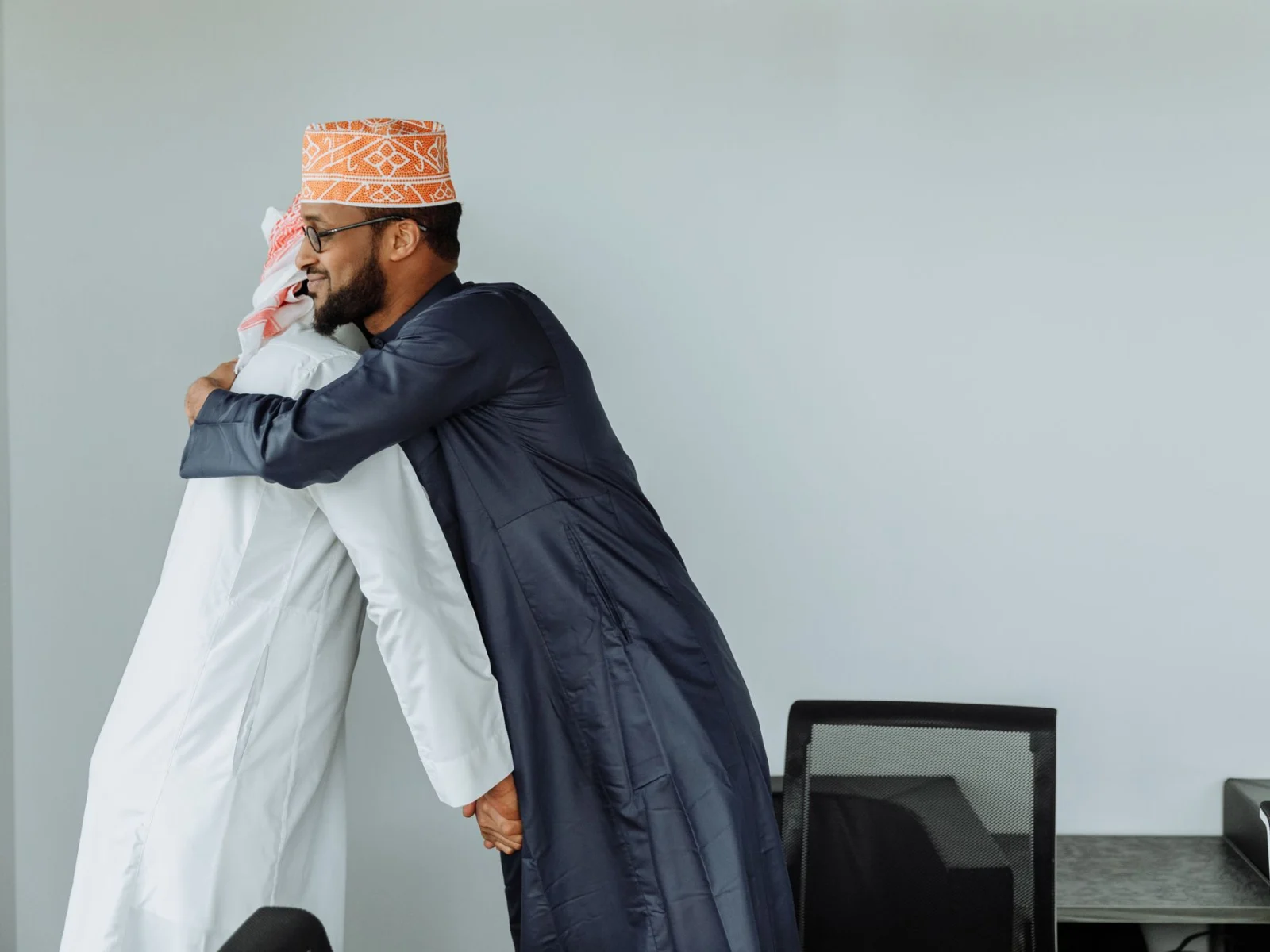
There’s no single right way, and if this feels like the hardest part of your journey so far, you’re not alone in that.
Many new Muslims choose to share the news gradually, starting with whoever feels safest, rather than announcing it all at once. Some family reactions take time to soften, and that’s a real, difficult part of many people’s stories, not a sign you’ve done something wrong. If you’d like support thinking through this conversation, many mosques have a new-Muslim liaison specifically for this kind of guidance, and we’re always happy to talk it through with you too.
What Does a First Quran Class Actually Look Like?
Relaxed, patient, and entirely at your pace.
Your teacher will ask a few simple questions about what you already know, which for most new Muslims is genuinely nothing yet, and that’s completely fine, then start from the very first Arabic letter. There’s no test to pass and nothing to prepare beforehand. Many students tell us the hardest part was booking the first class; once it starts, the nervousness usually fades within a few minutes.
What Are the Five Pillars of Islam, in Plain Terms?
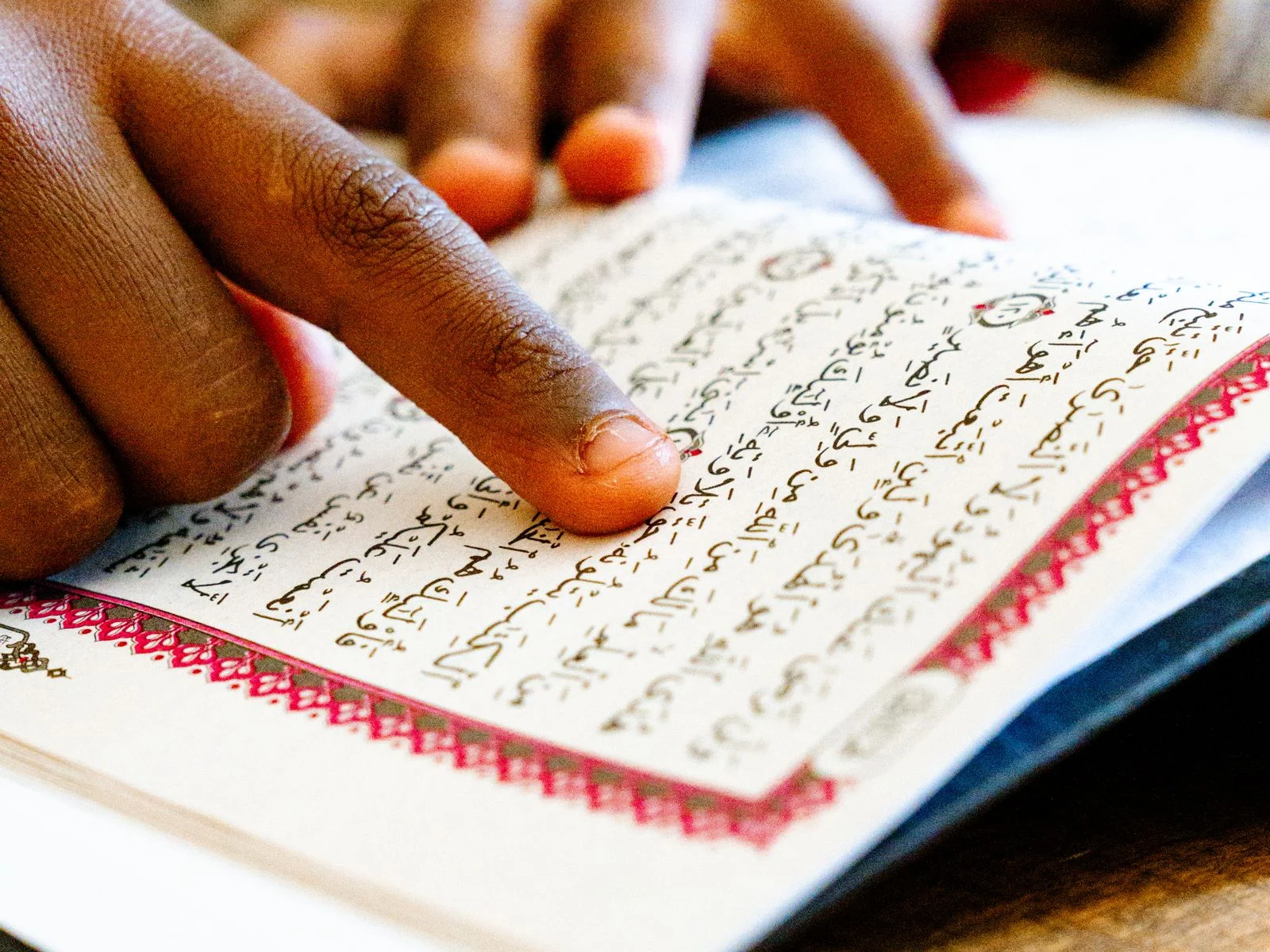
The Five Pillars are the core framework of practice every Muslim builds their worship around, and you don’t need to master all five at once.
Start here
1
Shahada
The declaration of faith you’ve already made, or are preparing to make.
Start here
2
Salah
Five daily prayers, the practice most new Muslims focus on first.
3
Zakat
Giving a small portion of qualifying wealth to those in need each year.
4
Sawm
Fasting during the month of Ramadan.
5
Hajj
Pilgrimage to Mecca once in a lifetime, for those who are physically and financially able.
Most new Muslims focus on Shahada and Salah first, and let the rest follow naturally as their knowledge and practice grow. There’s no requirement to have everything in place immediately.
Everyday Life as a New Muslim
How Do I Handle Praying at Work or School?
This is a common early worry, and it’s genuinely manageable in most workplaces.
Prayer and the washing beforehand (Wudu) typically take about ten to fifteen minutes altogether, and many employees simply find a quiet, clean space, an empty meeting room, a corner of a break room, and pray during a scheduled break. In several countries, including the US, UK, Canada, and Australia, employers are generally expected to reasonably accommodate religious practice, though how that looks varies by workplace. Most people find that a short, direct conversation with a manager or HR early on makes this far less awkward than they expected.
What Should I Know About Halal Food?
Halal means permissible under Islamic dietary law, and its opposite, haram, means forbidden.
The most immediate practical points for most new Muslims are avoiding pork and pork by-products, and avoiding alcohol, including as a cooking ingredient. Meat generally needs to be prepared according to halal slaughter standards to be considered halal, so many new Muslims start by looking for halal-certified meat or leaning toward vegetarian and seafood options when eating out or attending non-Muslim gatherings until they’re confident reading labels and menus.
What Should I Expect the First Time I Visit a Mosque?
Mosques (Masjids) are generally warm and welcoming toward new Muslims.
A few simple points of etiquette will help you feel more at ease. Dress modestly and cleanly, remove your shoes before entering the prayer area, and know that men and women typically pray in separate areas or sections. If you’re nervous, calling ahead is genuinely a good idea; most mosques have someone, often called a new-Muslim liaison, whose specific role is helping people in exactly your position feel comfortable. You are not expected to know the etiquette perfectly on your first visit, and asking questions is welcomed, not judged.
A Short Glossary of Words You’ll Hear Often
Salah
The five daily obligatory prayers.
Wudu
The ritual washing performed before prayer.
Masjid
The Arabic word for mosque.
Deen
Often translated as “religion” or “way of life.”
Ummah
The global community of Muslims.
Sunnah
The practices and example of the Prophet Muhammad, peace be upon him.
InshaAllah
“God willing,” said when referring to future plans.
MashaAllah
An expression of appreciation or acknowledgment of something good.
SubhanAllah
“Glory be to God,” an expression of amazement or praise.
Alhamdulillah
“All praise is due to God,” said in gratitude.
You’ll hear these constantly in Muslim spaces, and nobody expects you to use them fluently right away. They tend to become natural over time, simply through hearing and using them.
Where Do I Start? What Course Is Right for Me?
Almost every new Muslim starts with Noorani Qaida, which teaches the Arabic alphabet and correct pronunciation from complete scratch.
From there, most students move into Quran Reading and basic Tajweed, building toward whatever your own goals are, whether that’s simply being able to pray with confidence, reading the Quran fluently, or eventually pursuing deeper study like Tafseer or Hifz. Your teacher will help you map this out based on where you actually are, not a generic timeline.
What Do Other New Muslims Say?
“My teacher explained everything clearly, and being able to ask questions in Urdu when English got confusing made all the difference. I never felt behind for not knowing Arabic.”
AminaNew Muslim, Texas
How Do Classes Work?
Classes are live, one-on-one video sessions with a certified teacher, with a full seven-day free trial and no charges at all before you decide to continue.
If your first teacher isn’t the right fit, we’ll match you with someone new for a second seven-day trial, still free.
7 daysNo card required
Free trial with a patient, certified teacher, in your language.
No charges at booking or during either trial period.
Frequently Asked Questions for New Muslims
You’re Welcome Here, Exactly as You Are
Whatever brought you to Islam, and whatever your journey looks like from here, learning to read the Quran is one part of it you don’t have to figure out alone.
7 days
Free, no card required
Start with the very first letter, with a teacher who expects you to be a beginner.
