
Tafseer & Translation: Understand What You Recite
Reciting the Quran and understanding it are two different skills, and most students eventually want both. This page covers what Tafseer actually is, how it differs from a simple translation, which classical works are most trusted, and how our live, one-on-one classes make verse-by-verse meaning accessible in plain English, Urdu, Hindi, or Pashto, with no assumption you already know Arabic.

أَفَلَا يَتَدَبَّرُونَ الْقُرْآنَ
“Then do they not reflect upon the Qur’an?”
Surah Muhammad, 47:24
No Arabic neededEnglish, Urdu, Hindi or Pashto
Verse by verseor by theme, at your pace
Ages 7 and upkids, adults and new Muslims
Seven-day free trialno charges at all
What Is Tafseer?
Tafseer is the detailed explanation of the Quran’s meaning, covering not just what a verse says but its context, the reason it was revealed, and how the Prophet, his companions, and later scholars understood it.
The word comes from an Arabic root meaning “to explain” or “to uncover,” and it appears in the Quran itself with that same sense. Tafseer connects individual verses to Hadith, to other verses, and to the historical circumstances surrounding revelation, which is exactly what turns a verse from a sentence you can read into something you can genuinely understand.
What Is the Difference Between Tafseer and Translation?
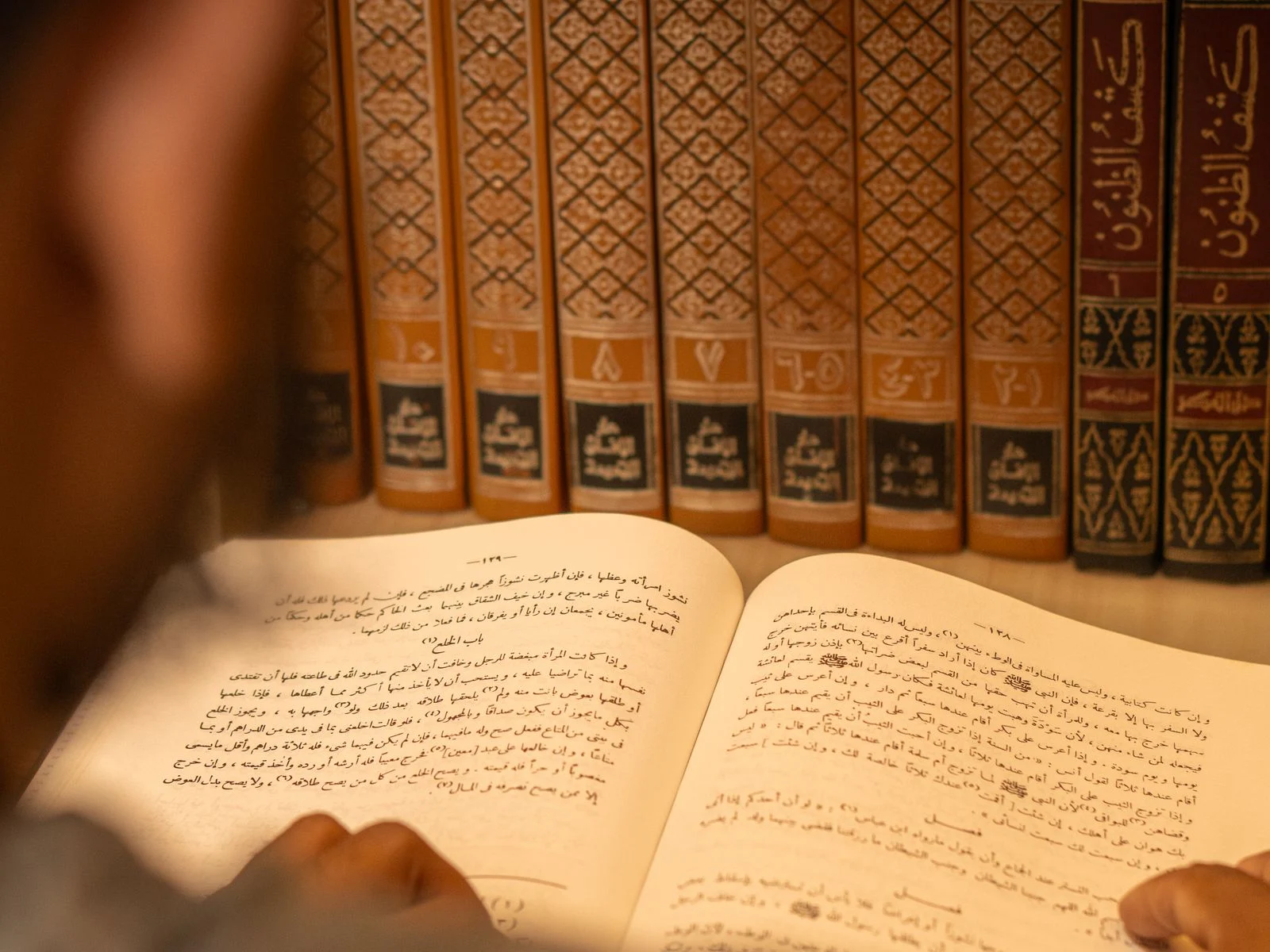
Translation converts the Arabic words of the Quran into another language to convey a basic surface meaning, while Tafseer goes considerably deeper, explaining context, word nuance, historical background, and scholarly interpretation that a translation alone cannot carry.
Translation
Converts the Arabic words into another language to convey a basic surface meaning. A useful starting point.
Tafseer
Explains context, word nuance, historical background, and scholarly interpretation that a translation alone cannot carry.
A translation is a useful starting point, and a good one matters. But Arabic words in the Quran often carry layers of meaning that don’t survive translation into a single English word, and short or general verses can read as ambiguous without the context Tafseer provides. Most serious students eventually move from translation alone into structured Tafseer, precisely because translation opens the door and Tafseer is what actually walks you through it.
What Are the Main Types of Tafseer?
Scholars generally divide Tafseer into two core approaches: Tafseer bil-Ma’thur, based strictly on the Quran, Hadith, and the statements of the Prophet’s companions, and Tafseer bil-Ra’y, which draws on scholarly reasoning for matters the earlier sources don’t fully address.
Tafseer bil-Ma’thur (Narration-Based)
This approach explains the Quran using only trusted, transmitted sources: other Quranic verses, authentic Hadith, and the statements of the companions and the generation after them. Because it avoids personal opinion, it’s generally considered the most authoritative starting point, and it’s the method behind the most widely referenced classical Tafseer works.
Tafseer bil-Ra’y (Reasoning-Based)
Where transmitted sources don’t fully cover a verse, qualified scholars apply careful reasoning grounded in deep knowledge of Arabic, Quran, and Hadith, always cross-checked against earlier scholarship to avoid personal bias creeping in.
Thematic Tafseer
Rather than moving verse by verse in order, thematic Tafseer collects everything the Quran says about a single subject, such as patience, charity, or family, across every surah where it appears. This approach is especially useful once a student already has a general grounding and wants to study a specific topic in depth.
What Are the Most Trusted Tafseer Works?
Among Tafseer bil-Ma’thur works, Tafseer Ibn Kathir is one of the most widely referenced classical commentaries, alongside At-Tabari and Al-Qurtubi, prized for relying closely on authentic narration rather than personal opinion. For English-speaking students specifically, Maariful Qur’an and Tafsir As-Sa’di are frequently recommended for their clear, accessible style. On the translation side, Saheeh International is commonly recommended for beginners for combining accuracy with readable modern English, while older translations like Yusuf Ali and Pickthall remain widely available but can read as more archaic to a new student.
Classical commentaries
Clear for English readers
Translations
What Do Students Find Difficult About Learning Tafseer, and How Do We Solve It?
Not Knowing Arabic Well Enough to Follow Classical Sources
Most classical Tafseer was written in Arabic, which understandably feels out of reach for a student who doesn’t read the language fluently yet.
Your teacher explains every classical source in plain English, Urdu, Hindi, or Pashto, introducing key Quranic vocabulary gradually rather than assuming you can read the original text.
Feeling Overwhelmed by the Volume of Material
The Quran is long, and diving into full verse-by-verse Tafseer from the very first page can feel like starting a marathon with no clear finish line.
Most students find real momentum by starting with shorter, thematically clear surahs, like Al-Fatihah, Al-Ikhlas, or selections from Juz Amma, before moving into longer chapters.
Jumping Between Too Many Sources
Switching constantly between different Tafseer books, videos, and explanations tends to break focus and make revision genuinely difficult.
Your teacher builds your course around one consistent, trusted source, so your understanding builds in a connected way instead of fragmenting across conflicting explanations.
Struggling to Retain New Quranic Vocabulary
Arabic words carry meanings that don’t map cleanly onto a single English word, and trying to absorb too much vocabulary at once rarely sticks.
We introduce new words gradually, usually five to seven a week, with revision built in before new terms are added.
Who Is Tafseer For? What Age Can a Student Start?
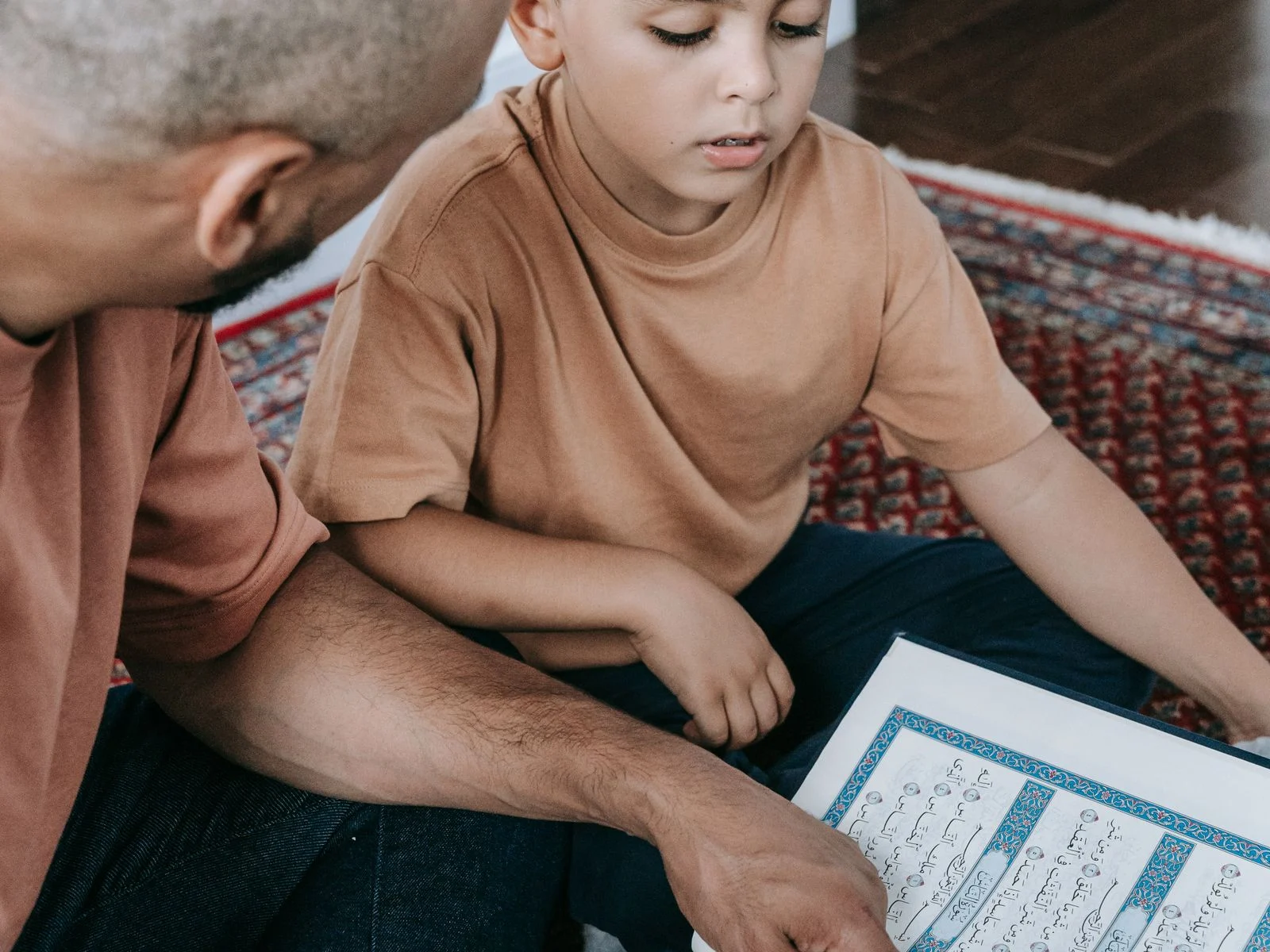
Tafseer suits students from around age seven through adulthood, with the approach adjusted by age rather than the subject itself being restricted to advanced learners.
Children typically engage with Tafseer through short, story-rich sessions connected to daily life, while adult beginners move at an unhurried pace with no assumption of prior knowledge. New Muslims and reverts are especially welcome here; understanding what the Quran actually says is often one of the most meaningful parts of the early journey, and starting with zero background is completely normal.
How Does Tafseer Pair With Hifz and Tajweed?
Students who are also memorizing the Quran or studying Tajweed often find that Tafseer deepens both practices considerably, since understanding a verse’s meaning gives memory an extra hook and turns recitation from a sequence of correct sounds into something genuinely felt. Many of our students study a short Tafseer segment alongside their regular Hifz or Tajweed sessions rather than treating it as a separate, disconnected subject.
With Tajweed
Recitation becomes something felt, not only a sequence of correct sounds.
Explore Tajweed →
Tafseer Online: How Do Classes Work?
Classes are live, one-on-one sessions with a certified teacher, working through your chosen surah or theme verse by verse, with a full seven-day free trial and no charges at all before you decide to continue.
1Book your free trial and share your current level and preferred language.
2Your teacher recommends a starting point, often a short surah for beginners or a specific theme for more advanced students.
3Work through each verse’s plain meaning, key vocabulary, context of revelation, and practical lesson, at a pace that fits you.
4If seven days isn’t enough to know the fit is right, we’ll match you with a new teacher for another seven-day trial, still free.
7 daysNo card required
Free Tafseer trial with a certified teacher, in your language.
No charges at booking or during either trial period.
Frequently Asked Questions About Tafseer
Begin Understanding the Quran Today
Whether you’re a new Muslim encountering these verses for the first time or a lifelong reciter who has never fully understood what you’re reading, Tafseer is how the Quran stops being just sounds and becomes something you carry with you.
7 days
Free, no card required
Start with a short surah and its meaning, explained in the language you think in.
